I virtually planted a papaya tree in Haiti
I’m not a hard eco-warrior. My car runs on diesel, my motorcycle on gasoline, I drive many, many (too many) kilometers every day, I love to travel, and at home I have a 65-inch TV and some bitcoins. All of these things are probably not very environmentally friendly. However, I try to be mindful in everything I do, to reduce my environmental impact as much as possible without giving up my passions. Let’s say I consider myself average in terms of environmental awareness, but I could certainly do much better.
At certain times of the year, I feel the urge to do good for others. I’ve made donations to UNICEF, the Telethon, Save the Children, and similar organizations. Today, as I was driving home, I reflected on the fact that driving a diesel car alone every day doesn’t exactly make me a poster child for environmental sustainability.
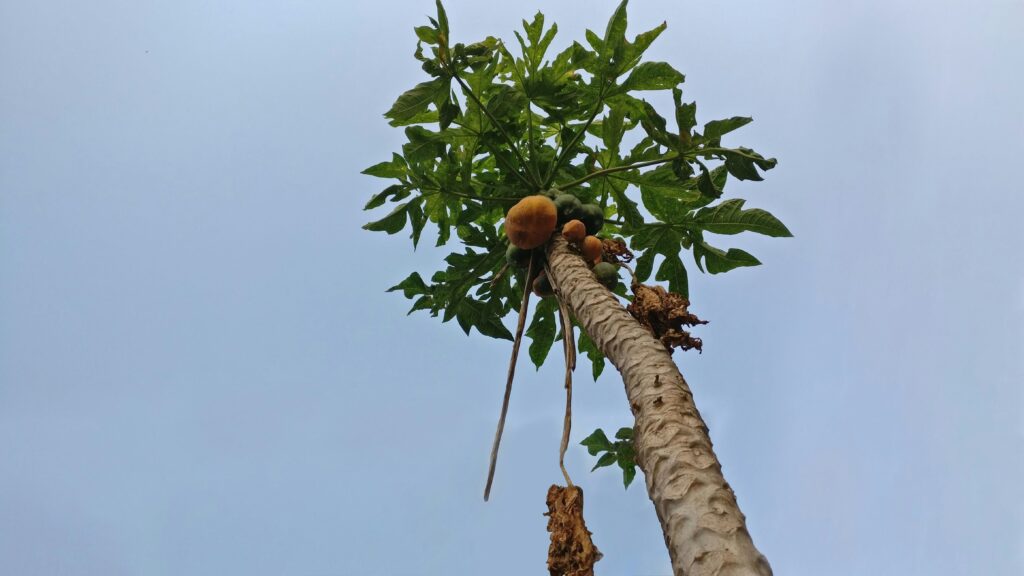
A Papaya Tree
I was skiing in Livigno just a week ago (early February), and it was 8 degrees Celsius. I remember when I was a child, during this period, temperatures would drop to around -20 degrees. By midday, it had become impossible to ski, and we were walking around in short sleeves.
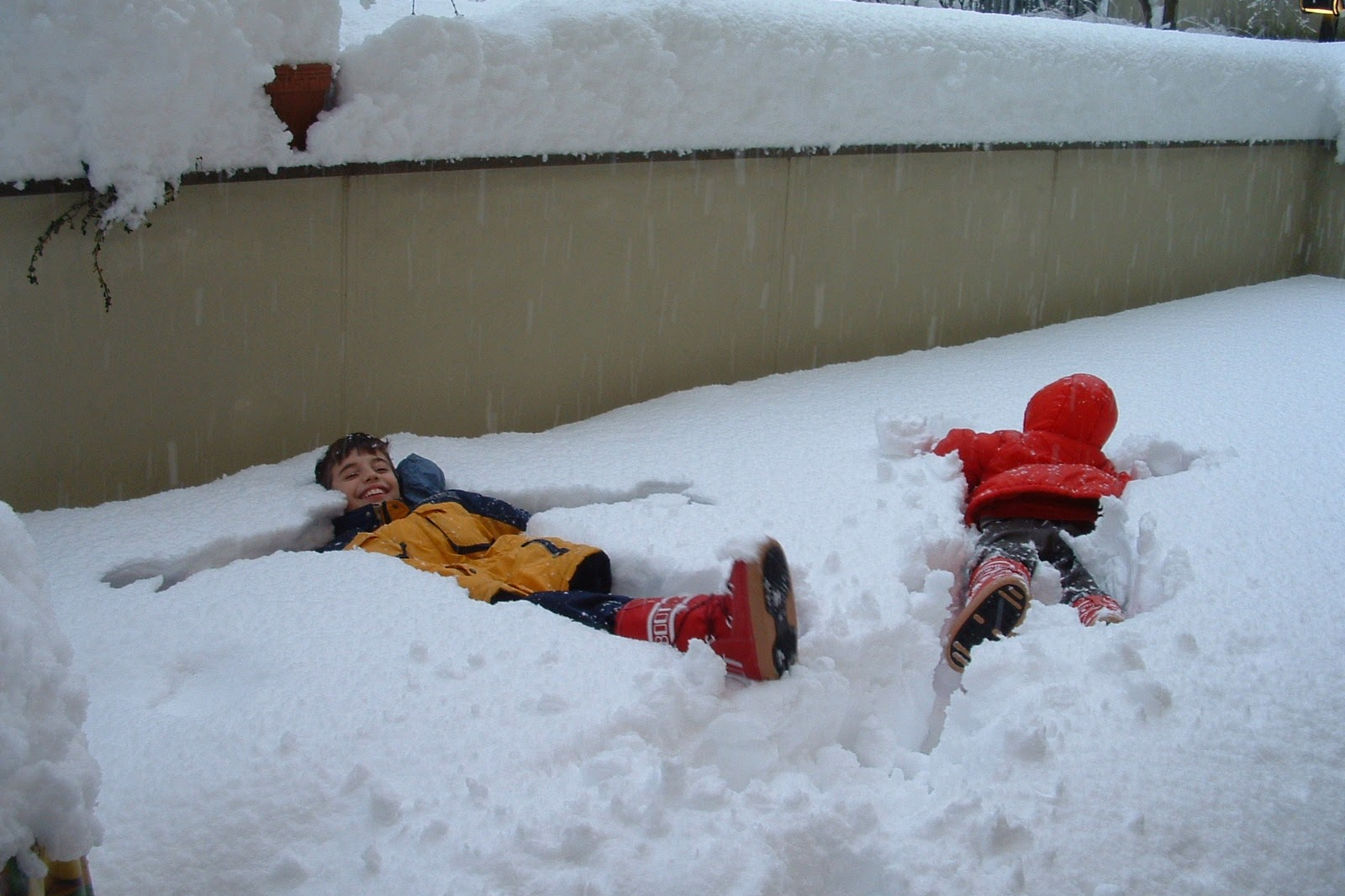
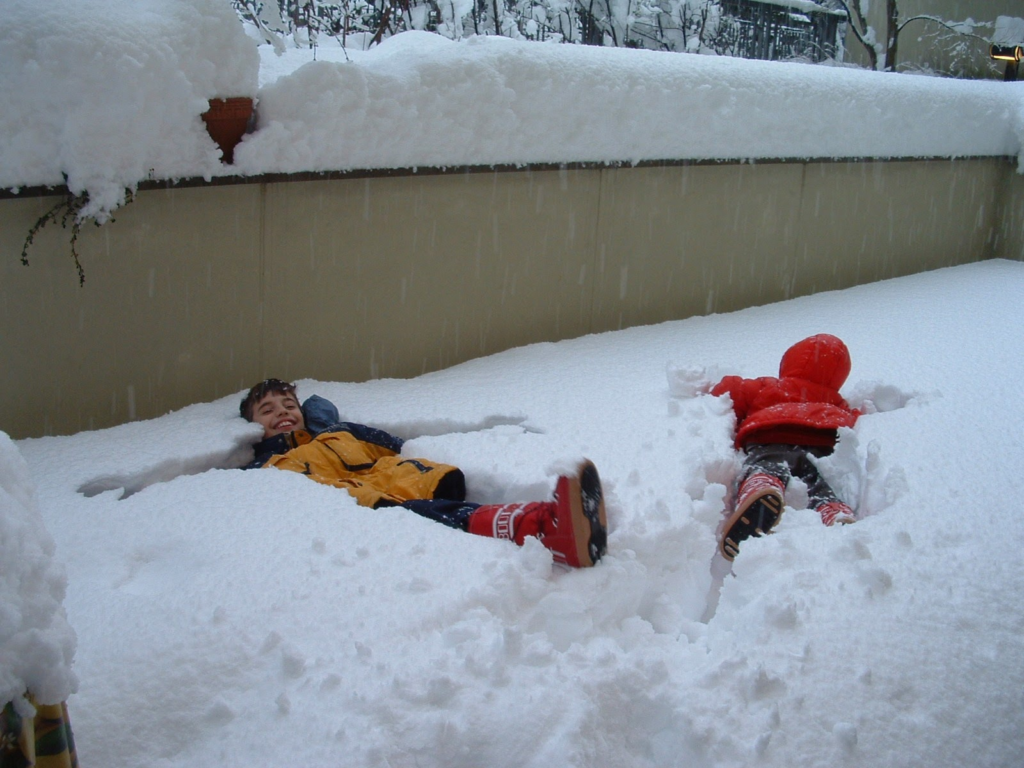
I also found an old photo from January 28, 2006, where my brother and I were playing in the garden of my parents’ house with lots of snow in Lecco. Today, in 2024, I can’t remember the last time I saw snow in Lecco, and that’s very worrying.
I certainly didn’t expect to solve this serious situation in one evening sitting on the couch, but I wanted to try to make a small gesture that I want to share with you because it gave me so much satisfaction.
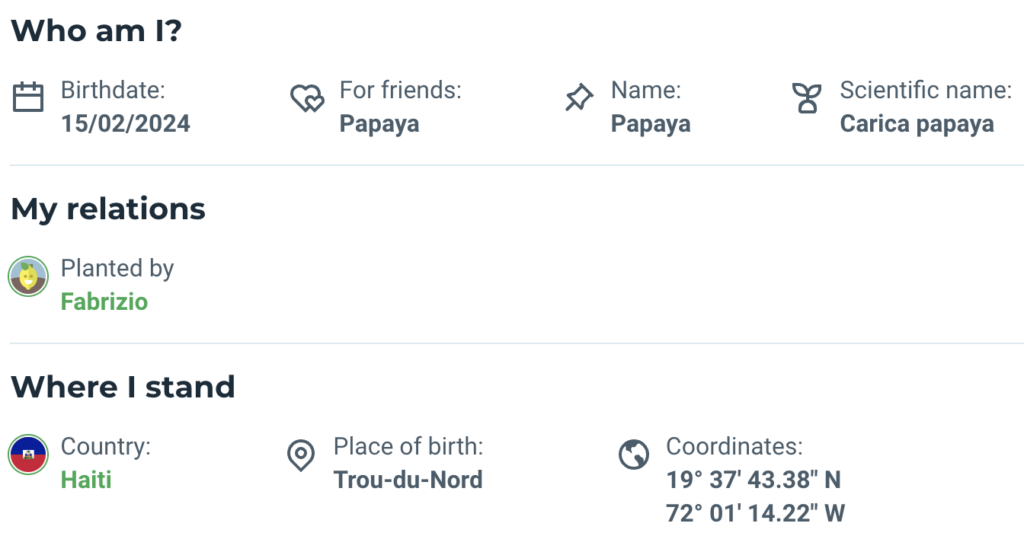
So, I decided to start with a very simple action from the comfort of my couch, and I planted a papaya tree in Haiti:

Although not particularly suited for CO2 absorption, the papaya plant offers numerous other advantages:
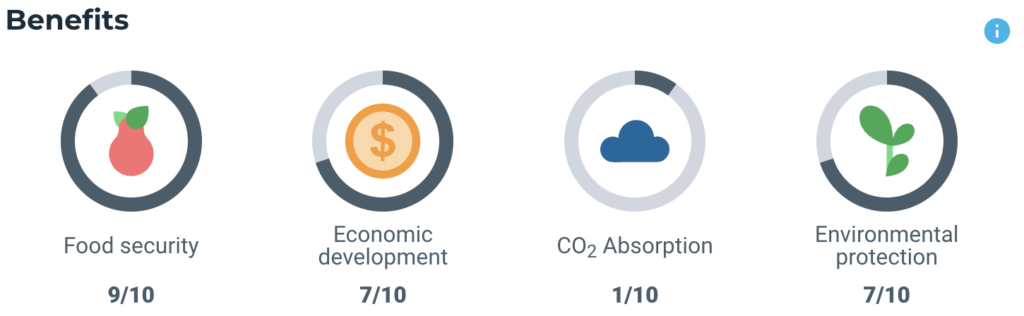
The papaya plant is a valuable asset in many ways. It enriches soil quality, prevents erosion, and supports biodiversity. Locally, it provides sustenance and income for farmers and offers natural remedies in traditional medicine. Overall, papaya plays a crucial role in environmental sustainability, economic stability, and community well-being.
In the next 10 years, my papaya tree will absorb approximately 50kg of CO2, and the progress bar in my Treedom account looks fantastic!
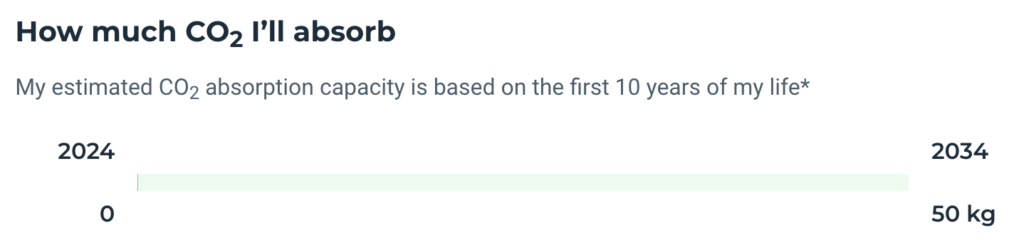
To give you a practical example, consider that 50 kg of CO2 roughly equate to the carbon dioxide emissions generated by driving a gasoline-powered car for approximately 250 kilometers, or to the electricity consumption to power a home for about one month.
It may not seem like much, but it’s a significant first step. Additionally, it’s essential to consider that besides offsetting carbon emissions, it will also provide food and employment opportunities for local people. It’s fantastic!
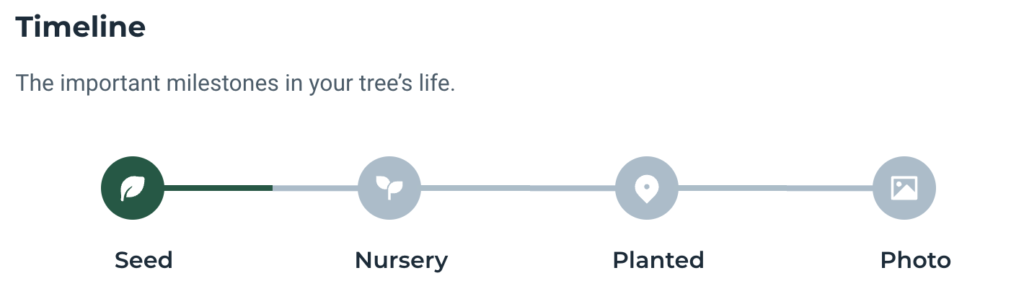
Currently, my plant is just a seedling, but soon I’ll be notified of when it’s planted (and they’ll also update me with some photos!)
I believe the environmental future relies on small gestures. It’s impossible to expect everyone to become perfect stewards of this world overnight, paying attention to every single detail. If each of us were to make a small gesture, we would give a significant helping hand to the planet.
I’ll keep you updated on my little plant as soon as I receive the photo and other details of how it was planted. In the meantime, you can follow its progress live here: My Papaya Tree in Haiti